

 See My Latest Article on HelloNation
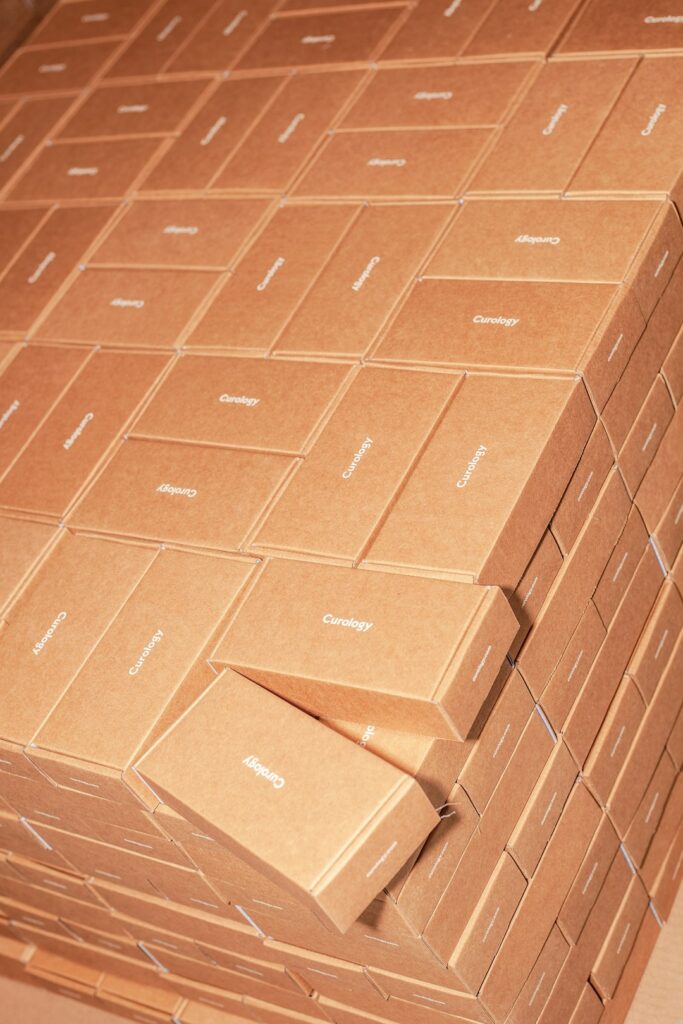
How Does Packaging Prevent Damage During Shipping?
Packaging design creates a buffer between products and the physical world. In Rochester, NY, tough winters, rainy springs, and frequent package handling all present risks to shipped goods. The right packaging addresses these threats by preventing impacts, moisture, and other hazards from reaching products.
Packaging’s primary job during shipping is to absorb shocks, guard against crushing, and keep items stable inside the box. Without these features, simple drops or rough handling by carriers can result in dents, scratches, or even broken goods.
What Are the Most Common Risks During Shipping?
The transportation journey—from home-based online sales to local deliveries—exposes packages to several dangers common in the city:
- Drops and bumps: Packages get tossed, stacked, or dropped during loading and unloading.
- Vibration: Moving vehicles, especially over potholes or icy roads, create ongoing vibration.
- Moisture: Snow, rain, and seasonal humidity can seep through packaging if not designed for local weather.
- Temperature swings: Winter freezes or hot summers stress certain products or materials.
- Compression: Stacking in crowded delivery vans or sorting facilities puts pressure on boxes.
A well-designed package anticipates these local and seasonal hazards, ensuring contents arrive in the same condition as when shipped.
How Do Materials and Structure Make a Difference?
Materials chosen for packaging are more than just a box—they're the front line of defense.
- Corrugated cardboard is common for its combination of strength and flexibility, shielding contents from impacts and crushing.
- Foam inserts, bubble wrap, and molded trays keep products from moving, absorbing shocks instead of letting force transfer to the item.
- Poly mailers and padded envelopes balance protection and cost for smaller or less fragile items.
- Water-resistant coatings or liners are increasingly used in the city, especially for winter deliveries where melting snow can be a concern.
Local residents sending fragile or valuable items often benefit from combining several materials. For instance, a double-walled box with inner cushioning layers helps during the city’s unpredictable weather.
Why Does Sizing and Fit Matter?
A too-large box lets products shift inside, increasing the risk of breakage. Conversely, a box that’s too tight may offer little protection if the package is dropped.
The best packaging fits the item closely, leaving space only for protective padding. This is especially relevant for Rochester’s denser neighborhoods, where delivery trucks may be loaded to capacity and rough handling is more likely. A snug fit keeps contents secure no matter how many other parcels are stacked nearby.
How Does Packaging Address Moisture and Temperature Changes?
Moisture from snow or rain can ruin paper goods, electronics, and other sensitive products. To combat this, packaging often includes moisture barriers:
- Sealed plastic bags or shrink-wrapped inner layers protect contents from outside dampness.
- Desiccant packets inside packaging can absorb ambient humidity, common during local seasonal transitions.
- Insulated packaging may be used for items sensitive to freezing or overheating, particularly important for medicines, food, or electronics.
By anticipating local climate challenges, these design choices help packages withstand both precipitation and temperature swings.
Are Labels and Seals Part of Protective Design?
Yes—clear labeling and appropriate seals are often overlooked but serve an essential protective role:
- Labels such as “Fragile,” “This Side Up,” or “Keep Dry” signal to handlers the care needed for each parcel.
- Tamper-evident tapes and seals keep products secure and show if a package was opened before delivery.
- Security features can be particularly valuable for high-value or sensitive shipments, common among Rochester's local crafters or small businesses.

Proper labeling reduces handling damage and helps ensure packages are delivered in the right orientation, especially if multiple stops or several people handle each box.
What Do Home Shippers in Rochester Need to Know?
Local households often ship items in winter, when snow and ice are common. For these situations, it's wise to:
- Use sturdy, weather-resistant exterior packaging and seal all box seams with water-resistant tape.
- Add extra cushioning for delicate objects, especially if shipping around holidays when carrier volume and handling stress are higher.
- Reuse boxes only if they’re in excellent condition; weakened corners or crushed surfaces compromise protection.
- Double-check weight ratings for boxes—overloading may cause bottoms to fail when lifted.
Taking these precautions can prevent headaches, delays, and replacement costs that local families or small-scale sellers would otherwise face.
What Are Common Myths About Packaging Protection?
Some misconceptions can lead to unnecessary damage:
- Myth: "Bubble wrap alone is enough." — In reality, bubble wrap needs a supportive box to absorb outside forces.
- Myth: "Any box will do." — Previously used or lightweight boxes may not withstand winter moisture or heavy stacking.
- Myth: "Packing peanuts protect best." — They fill space but may allow fragile items to shift, reducing their actual protection.
Area residents sometimes learn these lessons the hard way, especially when mailing gifts or reselling items online.
How Does Rochester’s Climate and Infrastructure Influence Packaging Choices?
Winter slush, spring rains, and summer heatwaves mean local senders should think seasonally about shipping methods and materials. Delivery vehicles, mailboxes, and outdoor drop points may all expose packages to the elements.
For longer local delivery routes—such as those reaching rural edges of the community—packaging might face greater jostling and longer exposure to temperature swings. Adapting packaging to fit those challenges is a sign of thoughtful planning and guarantees better arrival conditions.