

 See My Latest Article on HelloNation
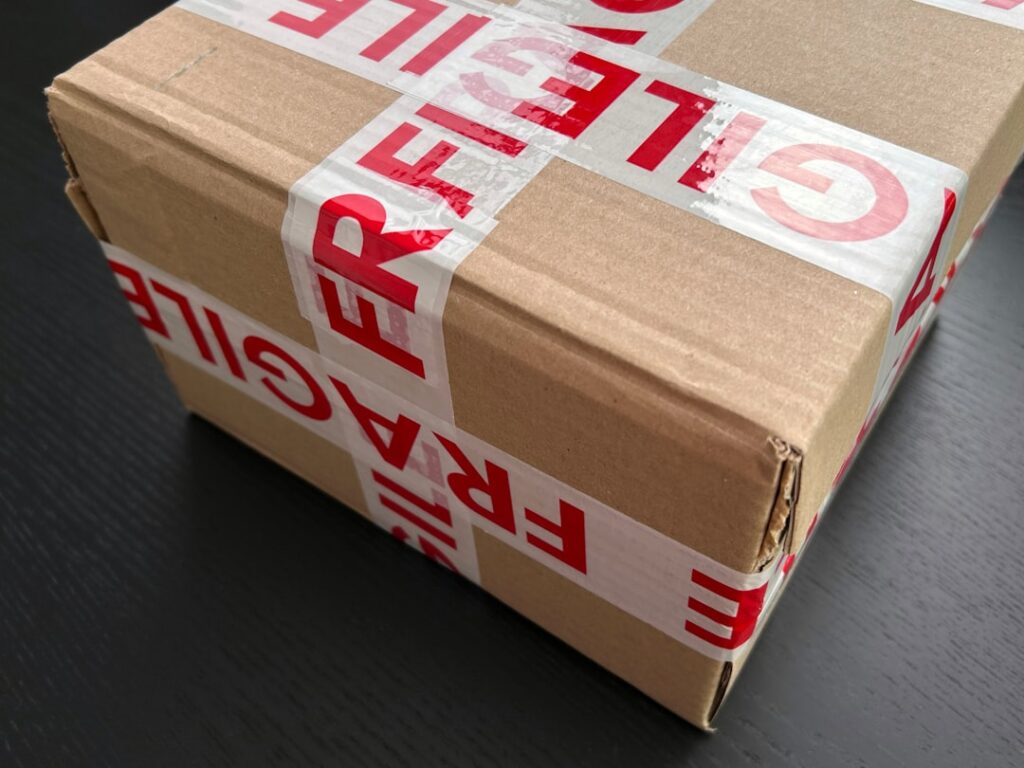
What Is an RSC Box?
An RSC box, or Regular Slotted Container, is a common type of corrugated cardboard box used for a wide range of packaging and shipping needs. The design features flaps on the top and bottom that are all the same length, with the two longest flaps meeting in the center when closed. This creates an efficient, easy-to-assemble container that can be taped or glued shut. RSC boxes are valued for their versatility and practicality in everyday use, both in local households and workplaces.
How Does the RSC Box Get Its Name?
The name "Regular Slotted Container" comes from the box’s standardized construction. Each of the box's four flaps has the same length (half the width of the box), which allows them to meet neatly without overlapping excessively. This simple engineering detail minimizes wasted material and makes the box cost-effective to manufacture and use. Residents will encounter RSC boxes in everything from moving supplies to online deliveries.
What Makes the RSC Box So Common in the Area?
In Rochester, many families, schools, and small businesses rely on RSC boxes because:
- They are easy to store and assemble as needed.
- The uniform design makes packing and sealing straightforward for people of all ages and abilities.
- Boxes can be collapsed flat for convenient storage or recycling—important in neighborhoods with limited space.
- The robust corrugated material helps protect contents against upstate weather, such as rain or snow during local winter months.
When Should Area Residents Use an RSC Box?
RSC boxes are suitable anytime you need a sturdy, everyday container for packing, moving, transporting, or storing items. Examples of local uses include:
- Seasonal storage of holiday decorations, which need reliable protection against attic moisture.
- Packing books, kitchenware, or household items during apartment moves common among college students or renters in the city.
- Shipping care packages to friends or relatives across the country.
- Organizing basement, garage, or attic spaces, especially when tackling spring cleaning.
For lightweight items, a single-wall RSC box is usually enough. For heavier or fragile items, double-wall or reinforced options offer added protection. However, RSC boxes shouldn’t be used for liquids without proper liners, nor for shipping high-value electronics unless additional padding is included.
Are All Cardboard Boxes RSC Boxes?
Not all cardboard boxes are RSC boxes, though this style is extremely prevalent. Other box types include:
- Full Overlap boxes, with flaps that completely overlap for added strength
- Die cut boxes, customized for unusual shapes or retail packaging
- Telescoping boxes, which are two-part and adjustable for longer or larger objects
Some people mistakenly use "cardboard box" and "RSC box" interchangeably, but not all boxes share the RSC’s unique flap arrangement or structural simplicity.

What Are Common Misconceptions About RSC Boxes?
A frequent misconception is that "RSC" refers to the cardboard's quality or strength. In truth, it refers only to the box’s style and flap design; RSC boxes come in many strengths, depending on the corrugated material used. Local residents should check the edge crush test (ECT) rating or single/double wall details on the box if durability is a priority, especially during rainy and snowy Rochester weather.
Another misunderstanding is that RSC boxes are always new; in fact, reuse and recycling are encouraged throughout the area’s waste programs. Many households keep collapsed RSC boxes for future moves or storage, making them a staple in local garages and closets.
What Should Residents Consider Before Choosing an RSC Box?
Selecting the right RSC box often depends on:
- The size of objects being packed—a snug fit reduces shifting and damage
- Expected weight, which affects the need for single or double wall options
- Available storage space for empty or collapsed boxes in basements or attics
- Local recycling guidelines—the city supports recycling of clean, dry corrugated cardboard, which includes RSC boxes
Avoid overfilling boxes or using them for items that require specialized protection, like perishables or hazardous goods. When preparing for a move during wet or snowy months, consider an extra layer of waterproofing for boxes exposed to the elements.
How Are RSC Boxes Typically Closed and Sealed?
The most common way to close an RSC box is with packing tape. After filling the box, fold down the two shorter flaps first, then the two longer ones. Sealing along the center seam and the edges helps keep contents secure and dry. In community settings, such as local schools or volunteer groups, tape dispensers make this task quick and accessible for all ages.
For heavier items, extra tape or reinforced packing methods may be advisable. It’s rare for RSC boxes to be stapled or glued by hand at home; these methods are more typical in manufacturing or warehouse settings.
Are There Environmental Considerations for Using RSC Boxes Locally?
RSC boxes are made from corrugated cardboard, which is widely recyclable through municipal recycling programs. Many area households break down used boxes for curbside pickup or take them to recycling drop-off locations. During peak moving seasons, demand for boxes can spike, leading to increased reuse throughout the community.
When possible, select RSC boxes with a high percentage of recycled content. Area residents often share or donate gently used boxes on local forums, helping reduce waste and support neighbors facing moves or transitions.