

 See My Latest Article on HelloNation
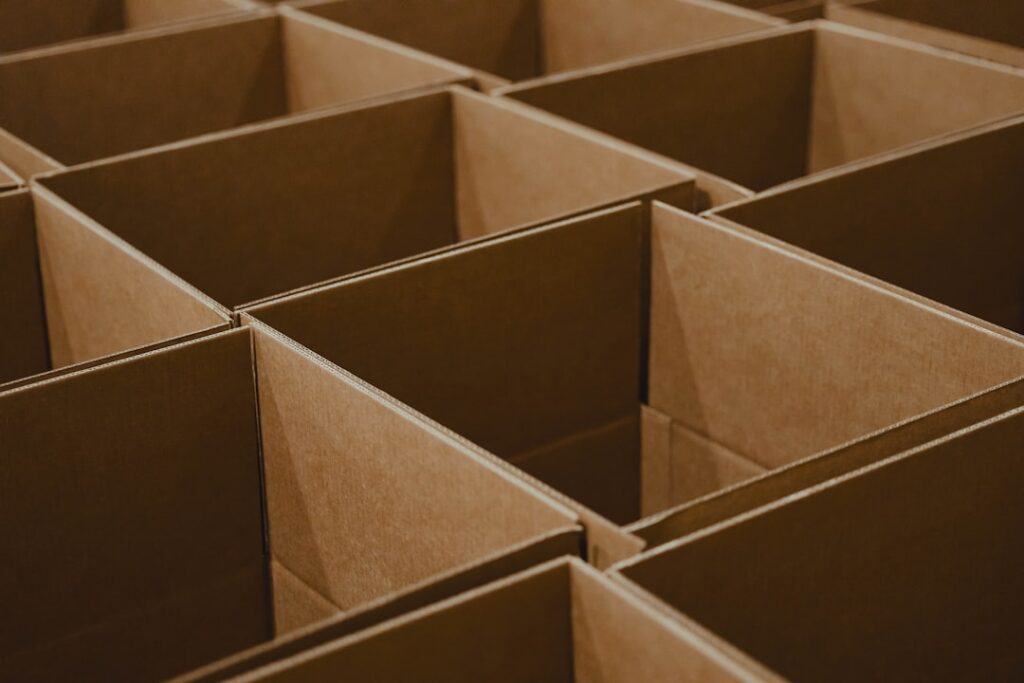
How Does Packaging Impact Product Damage in Rochester, NY?
Packaging is one of the first lines of defense against product damage, especially for businesses shipping goods throughout Rochester, NY, where swings in temperature, precipitation, and humidity can all affect packaged items. Quality packaging not only keeps products secure during transportation but also helps prevent losses, returns, and customer dissatisfaction. In regions with varied weather and a mix of urban and suburban delivery environments, even everyday bumps or temperature changes can cause packaging failures if not properly addressed.
What Are the Main Causes of Product Damage in Packaging?
Product damage during transit or storage often occurs due to:
- Insufficient cushioning or padding
- Improper box size or weak materials
- Exposure to moisture, cold, or heat
- Inadequate sealing or closure methods
For example, in Rochester’s colder months, rough handling during icy conditions and rapid indoor-outdoor temperature shifts can cause packaging seams to break down more quickly or adhesives to lose their stickiness.
Which Packaging Materials Help Prevent Damage?
Selecting the correct materials is essential. The right choice depends largely on the product type and the typical journey between local businesses, distribution centers, and customers’ homes. Some commonly used protective options include:
- Corrugated cardboard with appropriately rated strength (measured by edge crush or burst test ratings)
- Bubble wrap or foam inserts for fragile goods
- Weather-resistant plastic wraps or bag liners for items sensitive to water
- Padded mailers for small, lightweight items
For heavier or more valuable shipments moving through the city's distribution routes, double-walled boxes and reinforced corners can significantly reduce crush damage.
How Do Local Weather and Shipping Conditions Matter?
Rochester frequently experiences rain, snow, and periods of high humidity, all of which can weaken cardboard and paper packaging if products are left on porches or in warehouses without climate control. Businesses can address these challenges by:
- Using moisture-resistant coatings or inner liners
- Applying reinforced tape for box seams prone to splitting in cold air
- Avoiding overpacking, which can cause boxes to burst during freezing/thawing cycles when materials become more brittle
Packages left outdoors may face wind-driven rain or slush. Absorbent pads or plastic protective wrap inside unresolved areas of the package can help prevent damage when deliveries are left exposed.
Are There Overlooked Packaging Considerations?
It’s easy to focus solely on cushioning, but Rochester’s blend of suburban, rural, and urban neighborhoods means packages must survive both long transit and rough handling at the final stage. Common, fixable issues include:
- Loose-fitting boxes creating excess movement inside
- Fragile items packed too close to box edges, increasing risk of impact damage
- Not accounting for potential stacking in trucks or at local depots
- Packaging that is too tight, leaving no air pockets to absorb shocks

Testing new packaging designs with “drop tests” or simulated stacking can reveal weaknesses before a product reaches a customer.
How Can Businesses Balance Protection With Sustainability?
Many area residents are increasingly concerned about environmental impact, and excess packaging creates unnecessary waste. Protective packaging can still be eco-friendly by:
- Choosing right-sized boxes to avoid unnecessary padding
- Replacing foam with recycled or recyclable paper-based cushioning
- Encouraging customers to recycle or compost packaging materials after receipt
Local households may appreciate clear markings or instructions on how to dispose of or reuse packaging, particularly where municipal recycling rules affect what can be collected curbside.
What Changes Make a Noticeable Difference for Local Businesses?
Even small adjustments can have a substantial effect, such as:
- Reassessing box sizes seasonally to accommodate changes in product volume (thicker clothing in winter, more delicate items in summer)
- Working with carriers to understand how packages are handled during each stage of delivery, such as lifts onto snowy porches or storage in humid warehouses
- Periodically reviewing customer feedback for signs of recurring packaging failure
- Storing packing materials in climate-protected areas so they maintain their protective properties
What Are Simple Mistakes to Avoid?
Common oversights include taping only the box top while neglecting the bottom, reusing damaged boxes that are already compromised, or forgetting to update package labeling when shipping to addresses more likely to experience porch drop-offs or longer exposure to the elements.
Seemingly small decisions—like switching to water-activated tape in the winter—can prevent losses and ensure goods reach customers undamaged, no matter the season or local conditions.