

 See My Latest Article on HelloNation
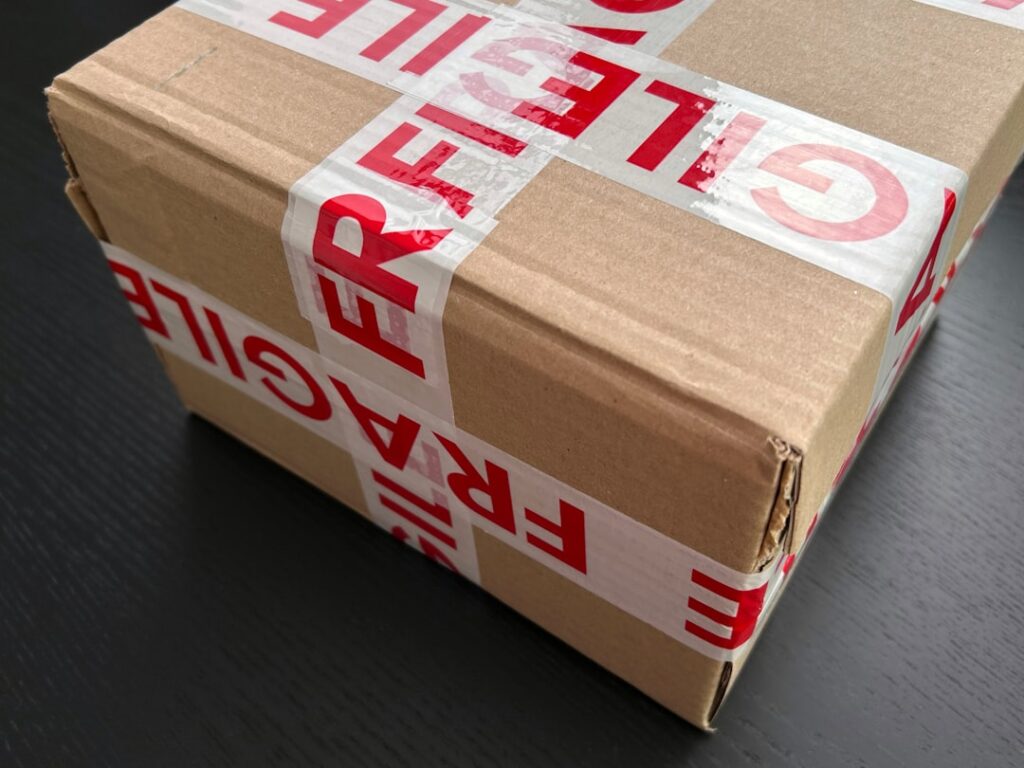
What Is Corrugated Packaging?
Corrugated packaging is a type of material made by combining a fluted (wavy) inner layer between two flat linerboards. It is best recognized for its lightweight yet sturdy structure, most often seen in cardboard shipping boxes and storage containers. Unlike regular cardstock or paperboard, the corrugated design helps cushion contents, making it a staple for shipping, storing, and protecting goods.
Engineered for durability and adaptability, corrugated packaging can be created in various thicknesses and strengths. Its multi-layered construction plays a key role in its ability to resist crushing and impacts.
Why Do Businesses Rely on Corrugated Packaging?
Businesses use corrugated packaging mainly for its balance of protection, cost-efficiency, and ease of customization. Immediately, this material offers a practical way to shield items from damage during transit, handling, and storage—concerns that grow in importance especially during the snowy, slushy months in Rochester, NY, when moisture exposure needs to be minimized.
Corrugated boxes are typically recyclable and biodegradable, making them appealing for organizations that want to reduce waste or meet local recycling standards. The ability to easily print instructions, branding, or handling warnings on the box surface adds to its utility for businesses of all sizes.
What Types of Corrugated Packaging Are Available?
Corrugated packaging comes in several formats, suited to different needs:
- Single-wall: One layer of fluting between two liners. Common for lightweight goods.
- Double-wall: Two layers of fluting. Chosen for heavier or more fragile items.
- Triple-wall: Three layers, reserved for industrial or very bulky loads.
Some businesses use specialized coatings or water-resistant liners, which may be particularly relevant for the damp fall and spring seasons here, reducing the risk of soggy boxes and damaged contents.
When Is Corrugated Packaging the Best Choice?
Corrugated packaging is ideal whenever products need structured protection in storage or transit. It truly excels for:
- Shipments that will be handled multiple times before reaching their destination
- Fragile or oddly shaped items that need cushioning
- Bulk shipping, such as moving farm produce, consumer electronics, or retail products
- Local moves or storage during Rochester’s humid summers, as corrugated boxes "breathe" better than plastic totes
Businesses dealing with temperature-sensitive items, or those susceptible to moisture or pest exposure, often prefer corrugated materials with additional liners or inner wraps for added assurance.
What Are Common Misconceptions?
A frequent misconception is that all cardboard boxes are the same. Paperboard, which resembles tissue boxes or cereal cartons, lacks the strength of real corrugated boxes and cannot withstand rough treatment or damp storage environments.
Another misunderstanding is that corrugated packaging is always waterproof. In fact, standard corrugated is vulnerable to saturation if exposed to rain, snowmelt, or basement humidity. For added defense, especially during Rochester’s wet seasons, some businesses request wax-coated or laminated varieties.
Is Corrugated Packaging Suitable for All Business Needs?
While corrugated packaging is remarkably versatile, it is not universally optimal. For extremely heavy materials (like steel parts or liquids), wooden crates or plastic containers may offer better durability. For very small valuables or temperature-sensitive pharmaceuticals, custom foam or hybrid solutions might be required.

However, for a broad range of routine shipments, event logistics, or inventory management, corrugated often provides the most practical and reliable balance between cost, strength, and sustainability—especially in a community with robust recycling programs and seasonal shifts in weather.
How Do Local Factors Influence Packaging Choices?
Seasonal moisture, freeze-thaw cycles, and building layouts found across the community can impact packaging decisions:
- Repeated exposure to damp basements or garages can weaken regular corrugated boxes.
- Outdoor deliveries during slushy months may need water-resistant options.
- Local recycling guidelines favor plain, uncoated corrugated for smoother processing.
Area households and organizations storing supplies in attics, sheds, or multi-level buildings may prefer double-wall corrugated packaging for added durability under fluctuating temperatures.
What Should Be Considered Before Using Corrugated Packaging?
Before selecting corrugated solutions, consider:
- The weight and fragility of items to be packed
- Environmental exposure (moisture, pests, dust)
- How long goods must remain packed or in storage
- Recycling or waste management rules, as coated boxes may not be accepted curbside
Evaluating these factors ensures that the chosen packaging aligns with local climate conditions, business needs, and sustainability goals.